

Organizations are always looking to reduce development cycles, reduce costly physical prototypes, improve product quality, and build sustainable products. Companies can achieve these goals through Unified Modeling and Simulation (MODSIM)in a single environment.
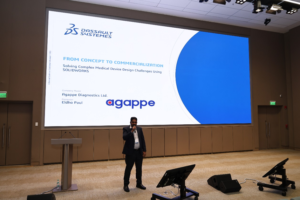
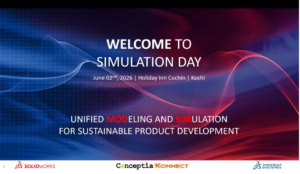
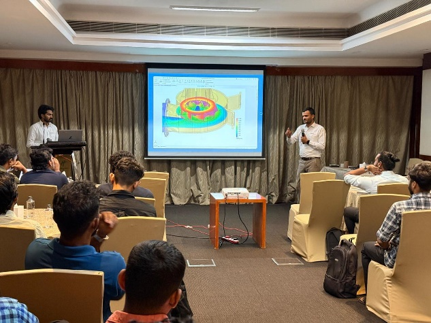
At our Simulation Day held on June 2nd at Holiday Inn, Kochi, industry leaders, engineering professionals, and innovation teams gathered and explored how integrating design and simulation into one connected platform enables faster and smarter decision-making throughout product development.
The event highlighted practical approaches, real-world engineering challenges, and how organizations can move beyond traditional design validation methods toward a more unified digital workflow with MODSIM.
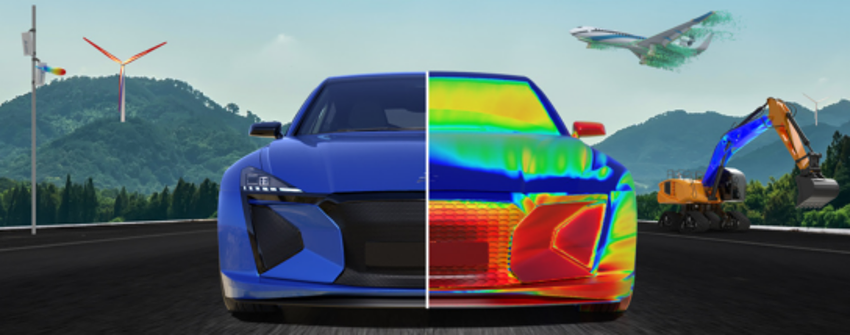
About Simulation Day – Unified Modeling and Simulation for Sustainable Product Development
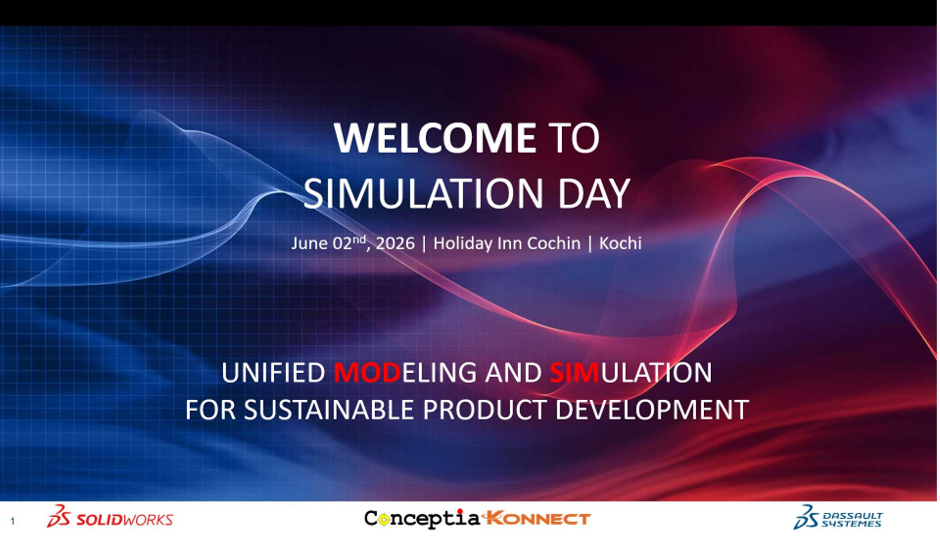
Simulation Day was designed to help companies understand how simulation is no longer a post-design activity it is becoming an integrated engineering strategy.
Throughout the sessions, attendees explored:
- Integrated Design and Simulation workflows
- Reducing physical prototyping costs
- Accelerating product validation
- Enabling sustainable engineering practices
- Creating connected product development ecosystems
5 Key Takeaways from Simulation Day:
1. Simulation Delivers Maximum Value When Introduced Early in Design
One of the strongest messages conveyed in the event was “Simulation should not start after the completion of Design, but during conceptualization design phase”
Through performing simulation during the concept and development stages, teams can:
- Detect issues earlier
- Reduce design iterations
- Improve confidence before manufacturing
Early validation enables organizations to move from reactive problem-solving to proactive innovation.
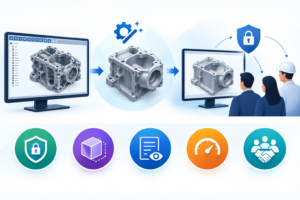
2. Unified Modeling and Simulation (MODSIM) Eliminates Silos Between Teams
In the traditional product development process Design, Simulation and Manufacturing are separate. But, MODSIM brings these disciplines together into a connected environment where:
- Design updates reflect instantly
- Teams collaborate efficiently
- Engineering decisions happen faster
This unified approach reduces delays and improves cross-functional communication.
3. Sustainability Starts During Product Development
Sustainable product development is increasingly becoming a competitive advantage.
Simulation allows teams to:
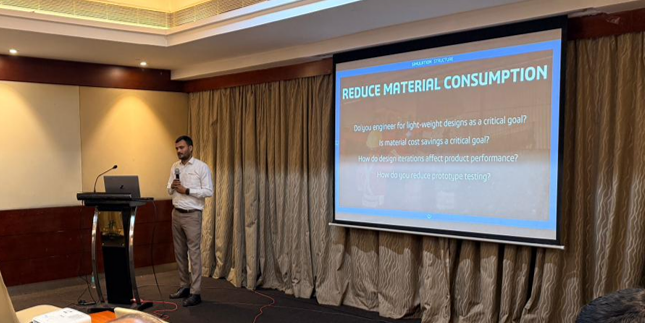
- Evaluate material usage
- Reduce waste
- Optimize performance
- Lower prototype requirements
Engineering decisions supported by virtual testing help reduce environmental impact while improving product outcomes.
4. Virtual Validation Reduces Cost and Accelerates Innovation
One of the most practical discussions during Simulation Day focused on reducing dependency on physical testing.
Virtual validation helps organizations:
- Minimize redesign efforts
- Improve product reliability
- Accelerate time-to-market
- Lower overall development costs
Organizations adopting simulation-driven engineering gain greater flexibility in responding to market demands.
5. Digital Transformation Begins with Connected Engineering
Digital transformation is not only about adopting new tools—it is about connecting processes.
Unified Modeling and Simulation creates a digital foundation that enables:
- Faster decision-making
- Better collaboration
- Higher product quality
- Scalable innovation
This approach supports long-term business growth and sustainable manufacturing practices.
Industry Discussions and Networking Moments
Beyond technical sessions, Simulation Day created opportunities for participants to exchange experiences, discuss engineering challenges, and explore future-ready product development strategies.
Conversations throughout the event reinforced a common theme:
Manufacturing organizations are actively seeking integrated engineering approaches that accelerate innovation without compromising sustainability.
Looking Ahead
Simulation Day demonstrated that the future of engineering lies in integrating modeling, simulation, and decision-making into a unified workflow.
As industries continue to evolve, organizations that embrace Unified Modeling and Simulation (MODSIM) will be better positioned to reduce costs, improve quality, and accelerate sustainable innovation.
WE would like to thank all attendees, speakers, and the Kerala team for making this event successful.
We look forward to continuing these conversations and enabling the next generation of product development.
Frequently Asked Questions (FAQs) about MODSIM:
Unified Modeling and Simulation (MODSIM) is an integrated approach that combines product design and simulation in a connected environment to accelerate development and improve engineering decisions.
MODSIM helps reduce physical prototypes, optimize materials, minimize waste, and improve product performance through virtual validation.
Benefits include faster product development, reduced costs, improved collaboration, fewer design revisions, and quicker time-to-market.
Early simulation identifies performance issues sooner, reducing redesign cycles and enabling better decision-making before production.
By connecting design, validation, and engineering workflows, MODSIM creates a unified digital environment that improves productivity and supports long-term innovation.

Mahendra K is a technology and engineering professional with experience in helping organizations accelerate product development and innovation. He is passionate about enabling manufacturers through advanced engineering solutions, with a strong focus on Design Validation solutions that improve product quality, reduce development risks, and speed up time-to-market. Through his articles, he shares practical insights, industry trends, and best practices across product design and validation.