

DraftSight V/S AutoCAD
DraftSight and AutoCAD comparison
| Parameter | DraftSight | AutoCAD |
|---|---|---|
| Pricing | Generally positioned as a more cost-effective option for organizations focused primarily on 2D drafting and DWG workflows | Higher subscription cost with broader design and ecosystem capabilities |
| Licensing | Subscription-based licensing with Professional, Premium and Enterprise options | Subscription-based licensing with individual and enterprise plans |
| DWG Compatibility | Native DWG support with strong compatibility for opening, editing and saving DWG files | Native DWG format creator with broad compatibility across Autodesk workflows |
| Learning Curve | Familiar interface for users migrating from AutoCAD; typically easier transition for 2D drafting teams | Familiar to existing AutoCAD users but broader feature set may require more onboarding |
| 2D Drafting | Strong 2D drafting, detailing and documentation capabilities | Industry-leading 2D drafting with extensive toolsets and mature workflows |
| 3D Capability | Limited compared to dedicated 3D CAD platforms; available in selected editions | Supports 3D modeling, visualization and documentation workflows |
| Automation | Supports automation features including APIs, scripting and LISP compatibility in applicable editions | Extensive automation ecosystem with AutoLISP, APIs and customization options |
| Enterprise Support | Centralized deployment and network licensing options for business environments | Mature enterprise administration, deployment and Autodesk ecosystem integration |
| Collaboration | Suitable for DWG collaboration and team-based drafting environments | Strong cloud and connected workflow capabilities within Autodesk ecosystem |
| Best Fit | Companies looking for professional 2D CAD with lower software ownership cost | Organizations needing broader CAD capabilities and deeper Autodesk integration |
Choose AutoCAD if: your workflow requires advanced 3D capability, broader Autodesk integrations, and extended ecosystem tools.
Advantages of DraftSight V/S AUTOCAD
- Pricing: DraftSight comes with a lower pricing point compared to other competitive software’s.
- File Types: Native file formats such as DWG and DXF are fully compatible with DraftSight.
- Familiar Interface: Moving from AUTOCAD to DraftSight is a breeze. It won’t take long to get acquainted with a few new icons.
- Shared Commands: Easily and Intuitively DraftSight make Aliases match with the Frequently used commands and make use of it appropriately.
- Customizable UI: The DraftSight user interface can be streamlined to how you like to work and can be modified according to our easy need.
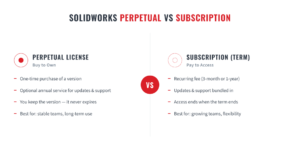
- Flexible Licensing: The World is quickly changing to SaaS (Software as a service). However, Dassault Systèmes provides with choices:
- Subscriptions based versions are available
- Enterprise version of DraftSight provides a choice of:
- Perpetual Licenses which you own with optional subscription renewal.
- Network Licenses to allow sharing with multiple users.
- Latest Technology: DraftSight has been built with the latest technology and the underlying code is much lighter and more nimble.
- Operating System: DraftSight supports Windows and Mac operating systems.
DraftSight Versions
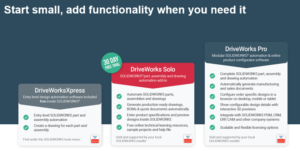
3DEXPERIENCE DraftSight
Yes, DraftSight can be a strong alternative for businesses and professionals focused mainly on 2D drafting and DWG-based workflows. It offers a familiar user experience for many CAD users while helping organizations manage software costs. The right choice depends on project complexity, collaboration needs, and long-term design requirements.
Yes, DraftSight supports native DWG file formats, allowing users to open, edit, save, and share DWG drawings. This makes migration easier for teams already working with existing AutoCAD project data.
The main difference is positioning and workflow focus. DraftSight is commonly chosen for professional 2D drafting and DWG productivity, while AutoCAD offers a broader CAD environment with additional design, automation, and ecosystem capabilities.
For users already familiar with AutoCAD-style commands and drafting workflows, DraftSight typically has a shorter learning curve because of its familiar interface and command structure. New users may still require training depending on project requirements.
In many cases, businesses can migrate smoothly because DraftSight supports DWG files and familiar drafting workflows. Before migration, it is recommended to validate custom scripts, templates, automation, fonts, and team processes to ensure compatibility and minimal disruption.